Gràcia
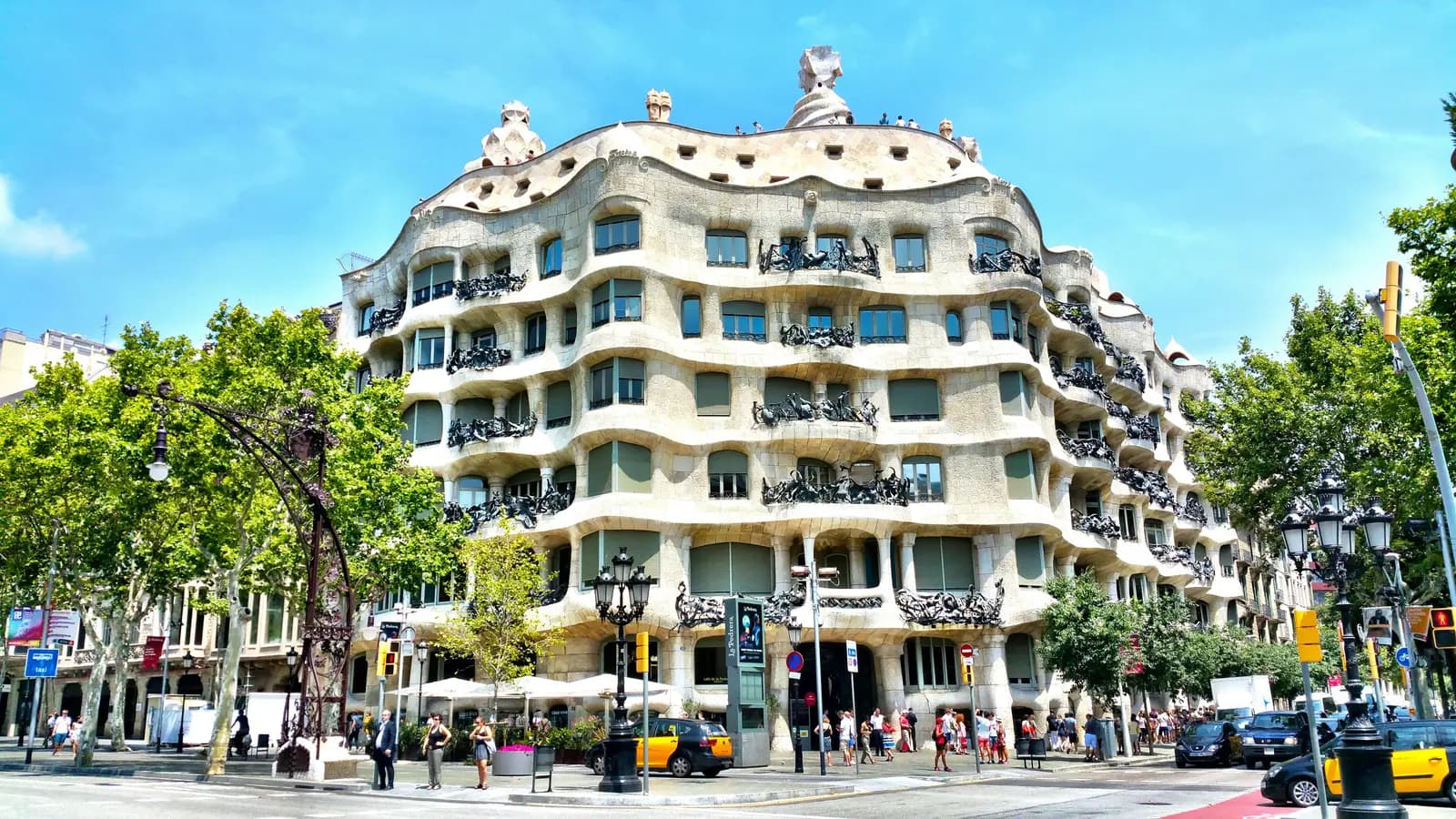
Photo: Pengfei Ying on Unsplash
- Category
- Neighborhood
- Hours
- Open access; livelier in the evening and during the Festa Major in August
- Price
- Free to walk around
- Neighborhood
- Gràcia
- How to get there
- Metro L3, Fontana or Diagonal stop
Gràcia was an independent municipality until 1897, when Barcelona's expansion finally absorbed it. That past is still visible in its street layout, very different from the Eixample's grid: narrow streets, small squares, and a neighbourhood life that has held up better than other areas against the pressure of mass tourism.
Its squares are the main draw: Plaça de la Vila de Gràcia, with its clock tower, or Plaça del Sol, full of outdoor terraces, are constant meeting points day and night. The pedestrian streets connecting them are packed with second-hand shops, craft workshops, and food options ranging from old-school bars to trendy restaurants.
Every August, the neighbourhood has its biggest moment with the Festa Major de Gràcia, when residents decorate the streets with elaborate themes — from the bottom of the sea to fantasy cities — and compete for recognition for the best design.
Frequently asked questions
Was Gràcia once a separate town from Barcelona?
Yes, it was an independent municipality until 1897, when it was annexed by Barcelona. It still keeps its own identity and several squares with their own names and character.
When is the Festa Major de Gràcia?
It's held every August, when residents decorate the neighbourhood's streets with elaborate themes and compete for the best design.