El Raval
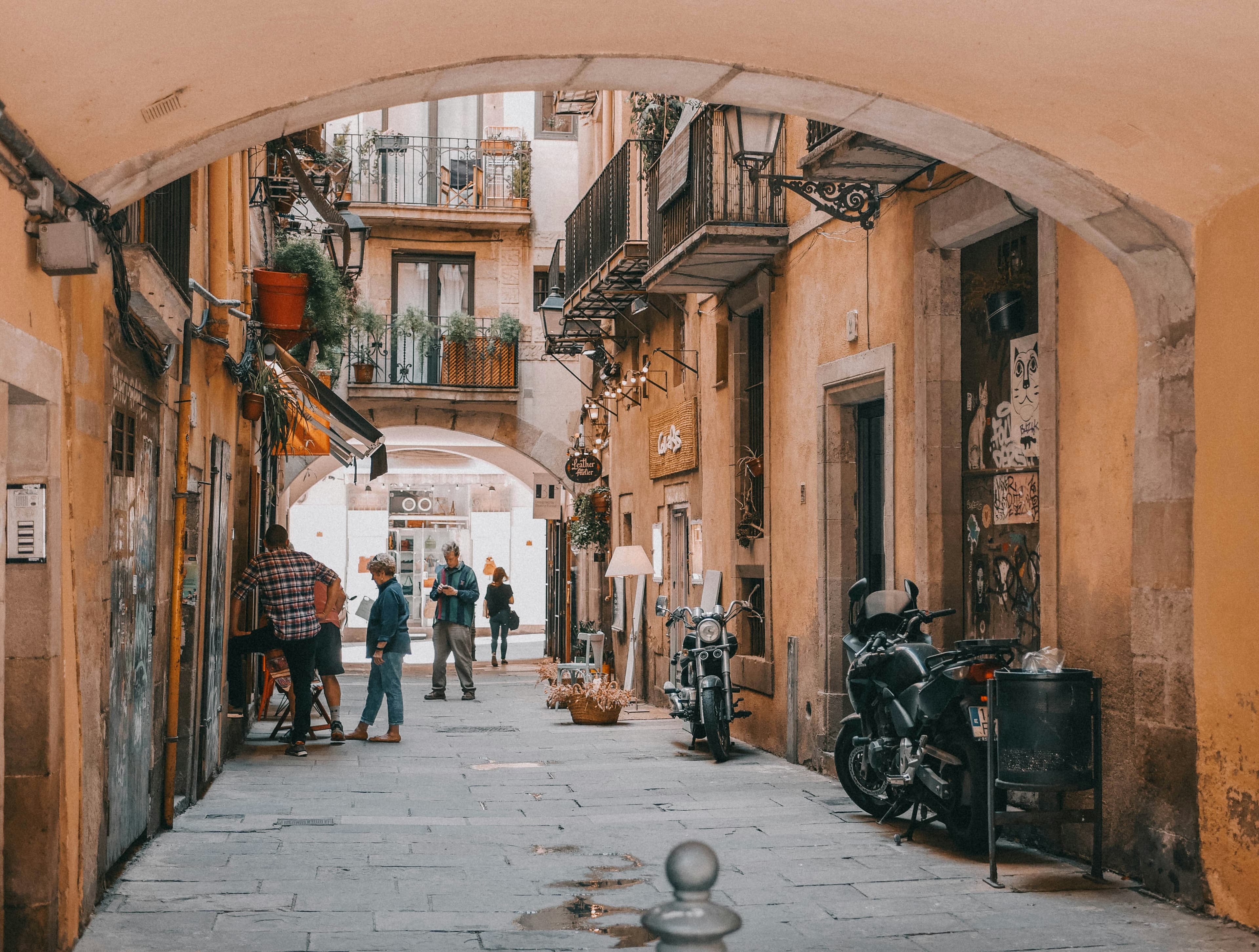
Photo: Lisa van Vliet on Unsplash
- Category
- Neighborhood
- Hours
- Free access; best explored by day or around sunset
- Price
- Free to wander
- Neighborhood
- El Raval
- How to get there
- Metro L2 (Sant Antoni) or L3 (Liceu and Paral·lel)
El Raval lies to the west of La Rambla and, despite being right in the centre, has a rhythm of its own. Its narrow streets bring together long-standing shops, bookshops, galleries, restaurants from many cuisines and a strong local life. It is a neighbourhood to enter without a rigid route, letting the walk uncover squares, façades and small independent places.
For centuries it was the outer part of walled Barcelona: first there were orchards and convents, then factories and working-class housing. That history explains both its compact layout and the popular, diverse character it retains. Rambla del Raval, opened at the end of the 20th century, offers a wider pause within the street grid.
Contemporary art is one of the best ways in. MACBA and CCCB are a few minutes apart; from there, you can walk down to La Boqueria, pass by Palau Güell or join La Rambla. To take it in at an easy pace, go during the day and combine the side streets with one of these cultural spaces.
Frequently asked questions
What is worth seeing in El Raval?
MACBA and CCCB are two good starting points, but the best thing is to wander around the streets by Rambla del Raval, La Boqueria and Sant Pau del Camp.
Why does El Raval look so different from the Eixample?
It grew inside Barcelona's medieval walls, before Cerdà's plan. That is why it retains narrow streets and a density very different from the Eixample grid.
You might also like
 Neighborhood
Barri Gòtic
Barcelona's medieval old town, with narrow streets, hidden squares and the Cathedral as its centrepiece.
 Neighborhood
Eixample
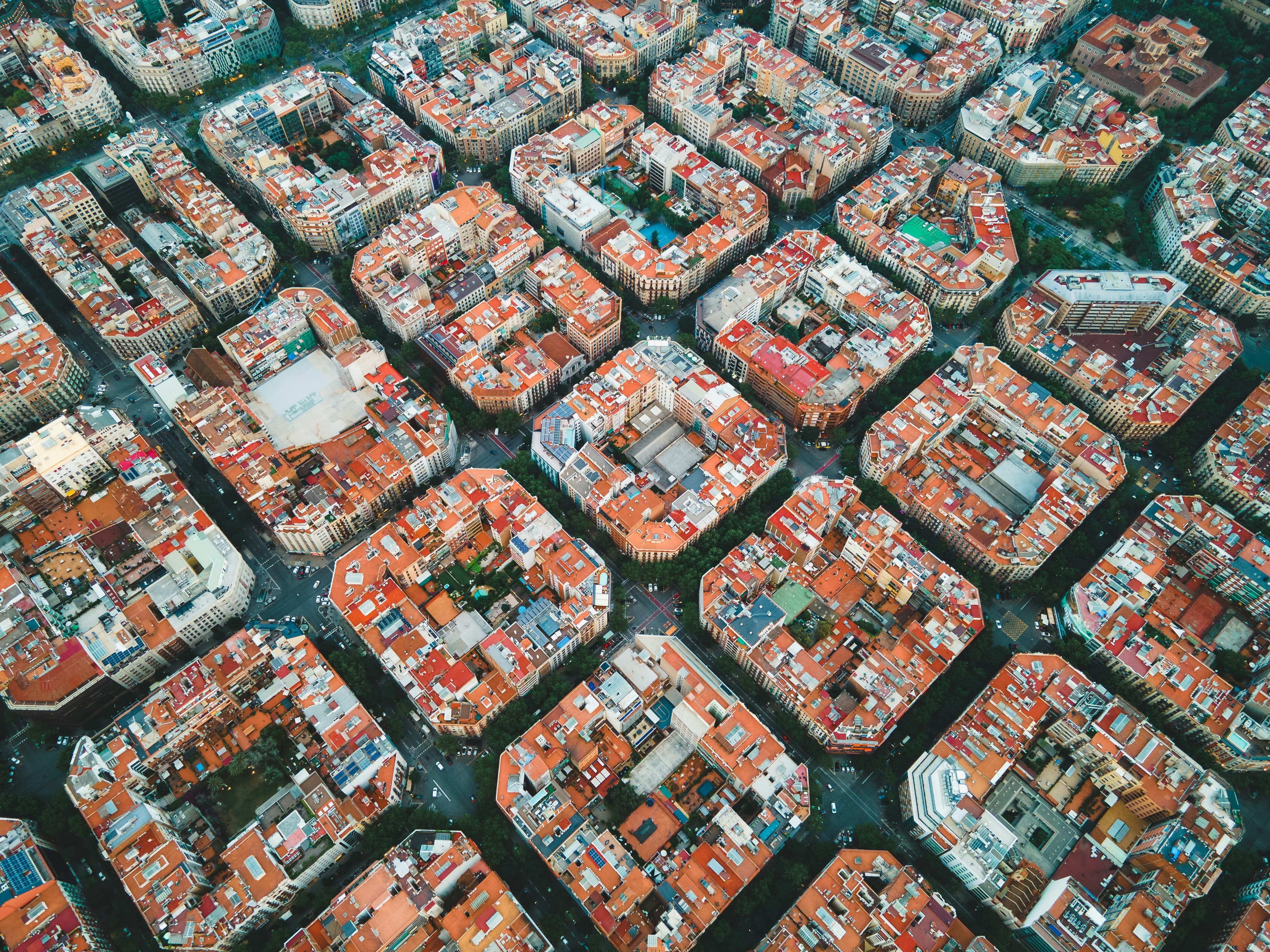
Cerdà's Barcelona: octagonal blocks, broad avenues and the city's greatest concentration of Modernist architecture.
 Neighborhood
El Born
A medieval neighbourhood by the port, today a hub of design shops, wine bars and the market turned cultural centre.